The CRMR 2026 Annual Symposium: A Day and a Half of Reflection, Innovation, and Knowledge Sharing!
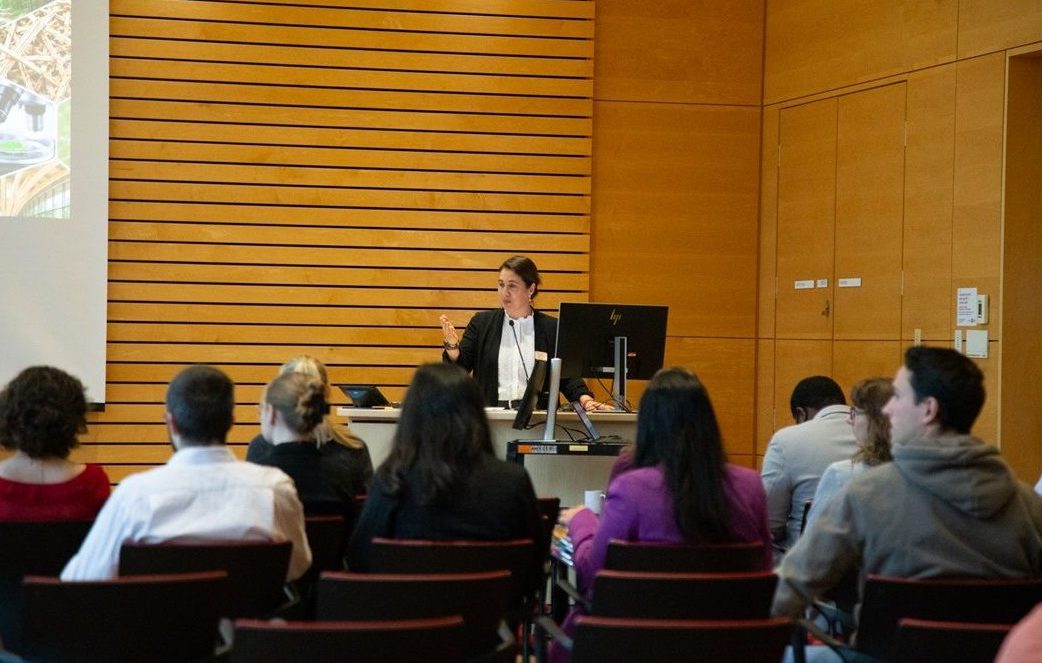
The opening keynote was delivered by Mr Jérôme Dupras, Québec’s Chief Scientist and President and CEO of the Fonds de recherche du Québec (FRQ). Introduced by Nancy Gélinas, Dean of the Faculty of Forestry, Geography and Geomatics at Université Laval, he invited participants to reflect on the role of science in a context of major environmental, economic, and social transformations.
Drawing on his expertise in ecological economics, biodiversity, and ecosystem service valuation, Dupras highlighted the importance of research that is collaborative, socially relevant, and capable of informing decision-making and supporting societal transitions. He also outlined FRQ’s strategic priorities and emphasized the importance of open, collaborative, and impactful research.
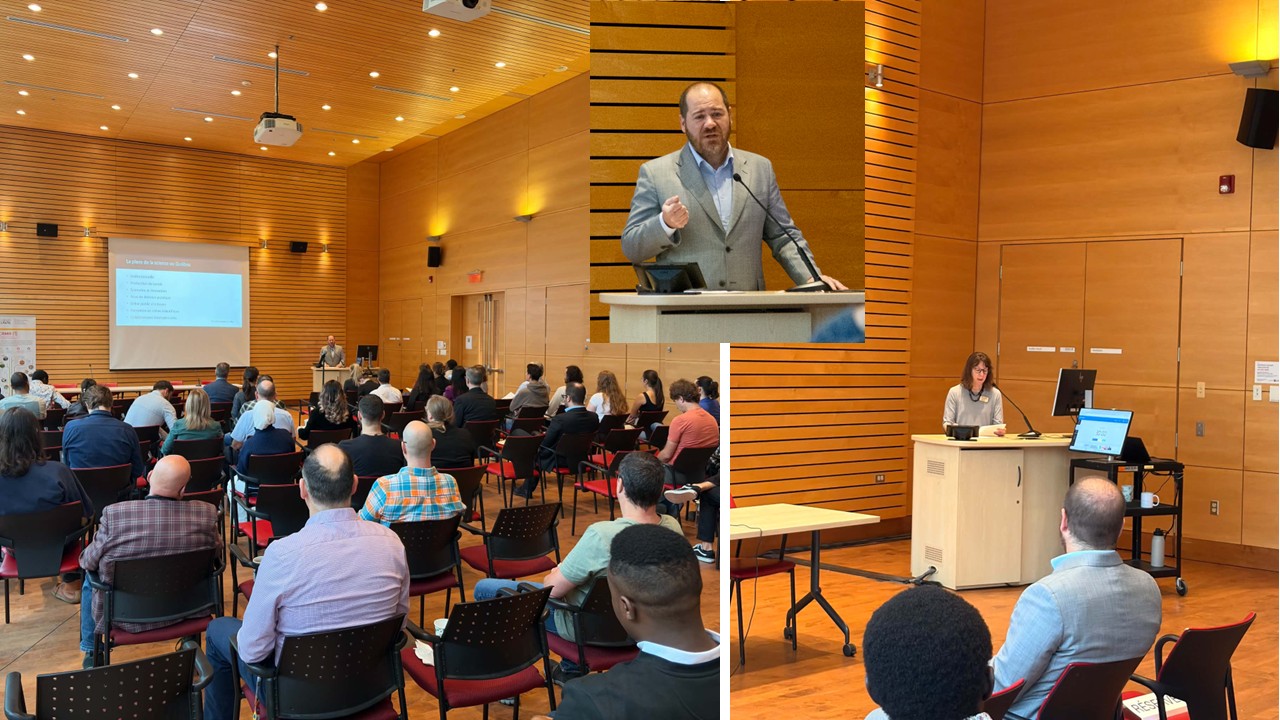
Participants also had the opportunity to attend a presentation by Mr. Alexandre Larouche, Chief Economist at the Quebec Forest Industry Council (CIFQ), entitled « The Current State of Quebec’s Lumber Market and Future Outlook ». Organized by Evelyne Thiffault, Professor at UL, the presentation examined the key economic, commercial, and policy factors shaping the evolution of forest markets.
A specialist in economic analysis applied to the energy, natural resources, and forestry sectors, Mr. Larouche is widely recognized for his expertise in several strategic areas, including energy pricing, forest biomass-based biofuels, climate change, and the competitiveness of Quebec’s forest industry. In a context marked by market volatility, evolving trade policies, and structural changes within the sector, he provided an insightful overview of the current state of Quebec’s lumber market and highlighted the main challenges facing the forest industry.
Beyond analyzing current market conditions, the presentation encouraged reflection on the factors necessary to ensure the long-term vitality and sustainability of Quebec’s forest sector. It underscored the importance of innovation, market diversification, adaptation to emerging economic realities, and the sustainable use of forest resources. These are all essential drivers for strengthening the sector’s resilience, maintaining its competitiveness, and supporting its contribution to Quebec’s economic development. Special thanks to Samuel Roy-Proulx for moderating this presentation and facilitating the rich and engaging discussions it inspired.
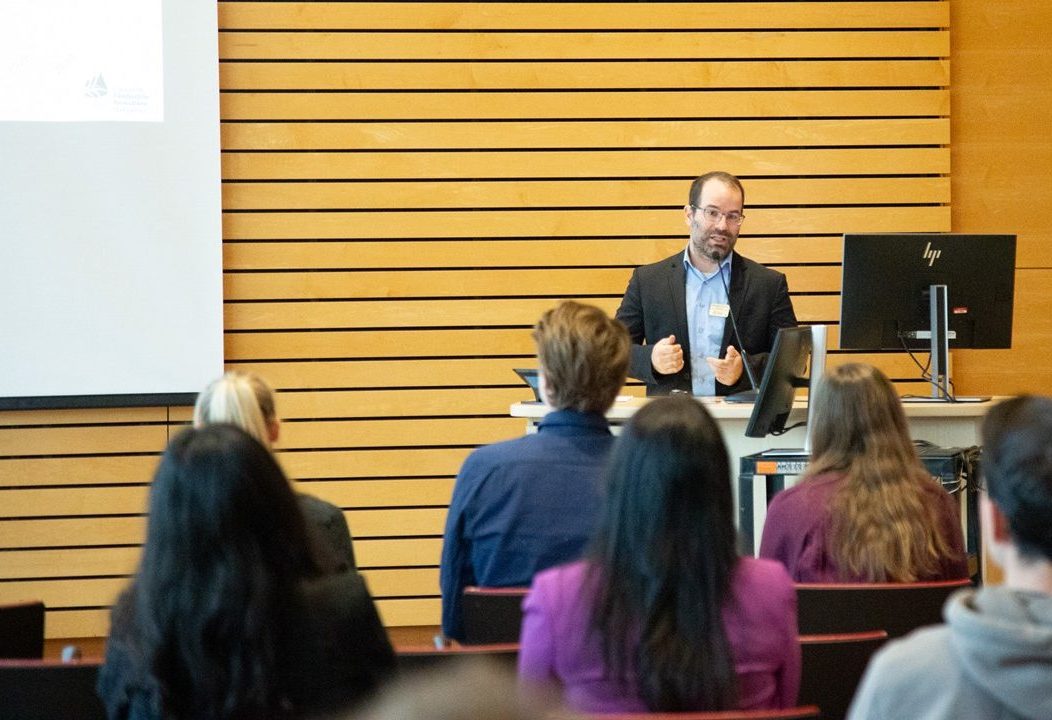
Alexandre Larouche ’s Presentation
Chief Economist at the Quebec Forest Industry Council (CIFQ)
Climate change is gradually altering the composition of Québec’s forests, promoting the emergence of tree species that are expected to play an increasingly important role in the coming decades. In this context, Nathalie Bourdeau (Innofibre) and Romain Trégaro (CERFO) presented the potential of bio-based products to create value from these emerging forest resources and support the development of a sustainable bioeconomy.
Organized and moderated by Véronic Landry, this presentation highlighted the opportunities offered by innovation and applied research to transform climate change-related challenges into value-creation opportunities for the forest sector. A researcher at Innofibre since 2014, Nathalie Bourdeau is recognized for her expertise in biomass valorization and the development of bio-based products. Romain Trégaro, a project manager at CERFO, focuses on forest adaptation to climate change and knowledge transfer to stakeholders in the forestry sector.
Together, they demonstrated the potential of emerging forest species and bio-based products to create value from transforming forest resources. At the intersection of forestry, innovation, and the bioeconomy, their presentation also emphasized the importance of applied research and collaboration between the scientific and forestry communities in supporting the adaptation and sustainable transformation of Québec’s forests.
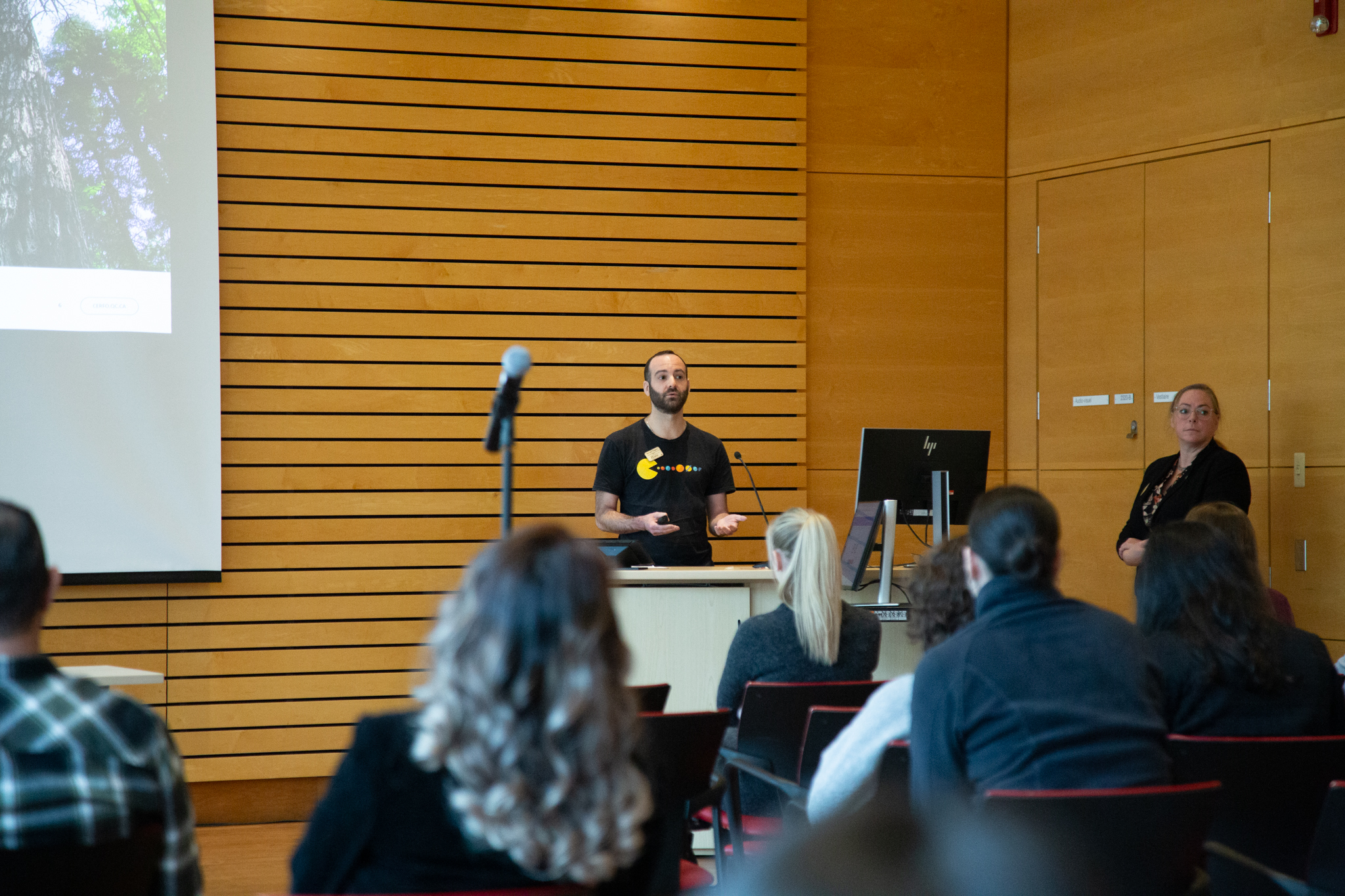
Presentation by Nathalie Bourdeau (Innofibre) and Romain Trégaro (CERFO)
The first day concluded with two presentations that highlighted the essential role of research in understanding major environmental challenges and developing innovative solutions for the forestry sector.
Véronique Rouleau, a researcher at Université Laval and a professional forest engineer, focuses on carbon storage and stabilization mechanisms in managed forest soils. In her presentation, « Beyond Carbon Stocks: Understanding the Effects of Forest Harvesting on Soil Carbon », she shared the results of her research conducted under the supervision of Evelyne Thiffault (CRMR) and Christine Martineau (Canadian Forest Service). Her work provided valuable insights into the fundamental role of forest soils in the carbon cycle and the processes that influence long-term carbon stability. By examining the effects of different forest management practices, she demonstrated the importance of considering soil as a key component of climate change mitigation strategies and sustainable forest management. The presentation shed light on the complex interactions between forestry activities and carbon dynamics in forest ecosystems, while emphasizing the need for rigorous scientific approaches to guide management decisions. Special thanks to Manon Mestre for moderating this session and for fostering the enriching discussions that followed.
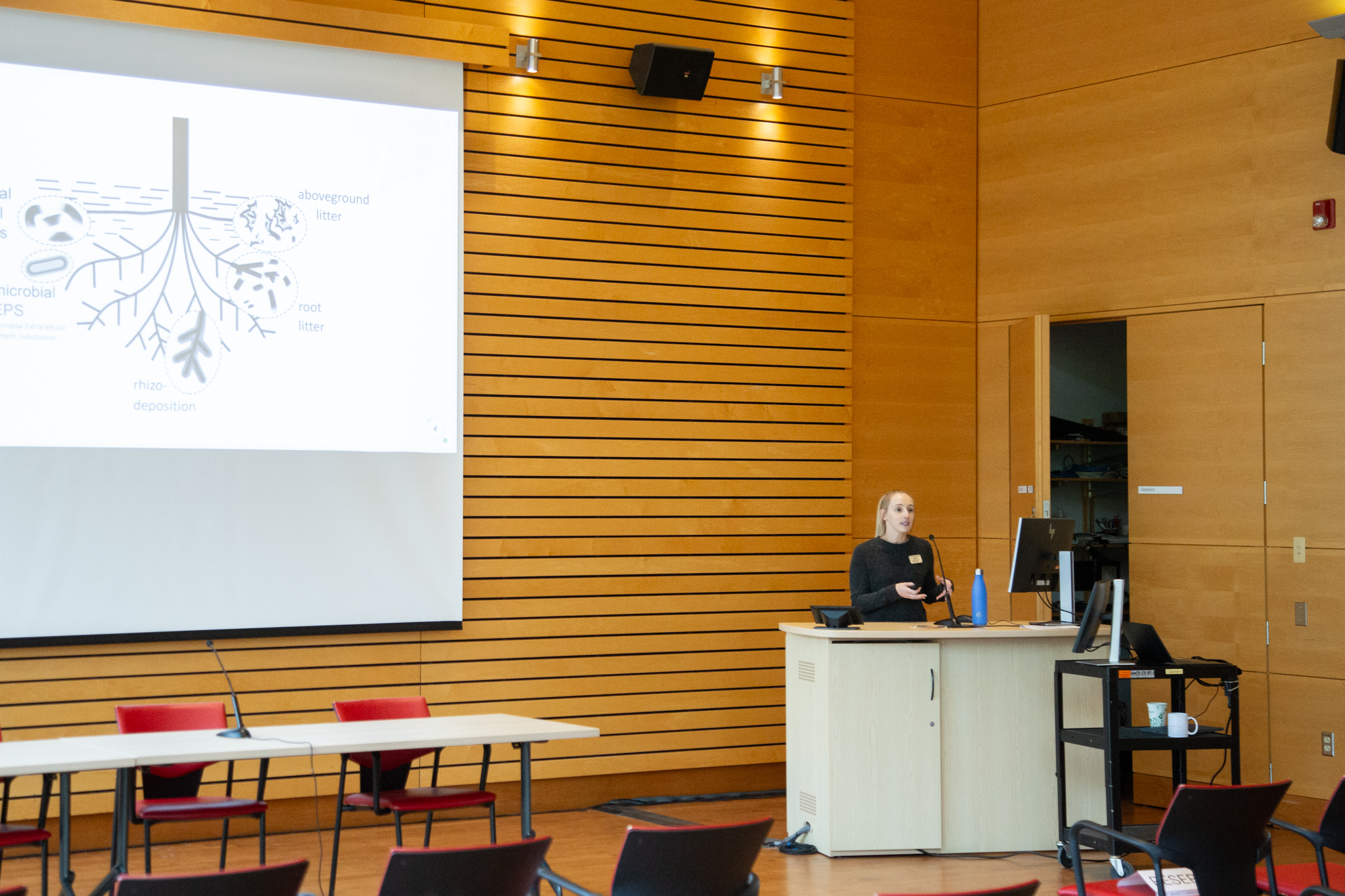
Véronique Rouleau’s Presentation
The second day of the symposium opened with an inspiring presentation by Tatjana Stevanovic, Professor in the Department of Wood and Forest Sciences. Internationally recognized for her research on bioactive molecules derived from forest biomass and lignins, she presented her book Wood and Forest Molecules in the Fine Arts: Renaissance Painting and Printmaking, the result of research conducted during her sabbatical leave in 2023.
At the crossroads of wood science, art history, and heritage conservation, the presentation highlighted the fascinating and often overlooked connections between forest-derived materials and Renaissance artistic practices. It demonstrated how knowledge of wood-based materials and their chemical compounds contributes to a deeper understanding of works of art, their creation, and their preservation. This exploration of a field where science, culture, and artistic creation intersect offered a unique perspective on the scope of wood science research and the potential of interdisciplinary approaches to enrich knowledge and open new avenues for research. We would like to thank Maxime Parot for moderating this presentation and for the quality of the discussions that followed.
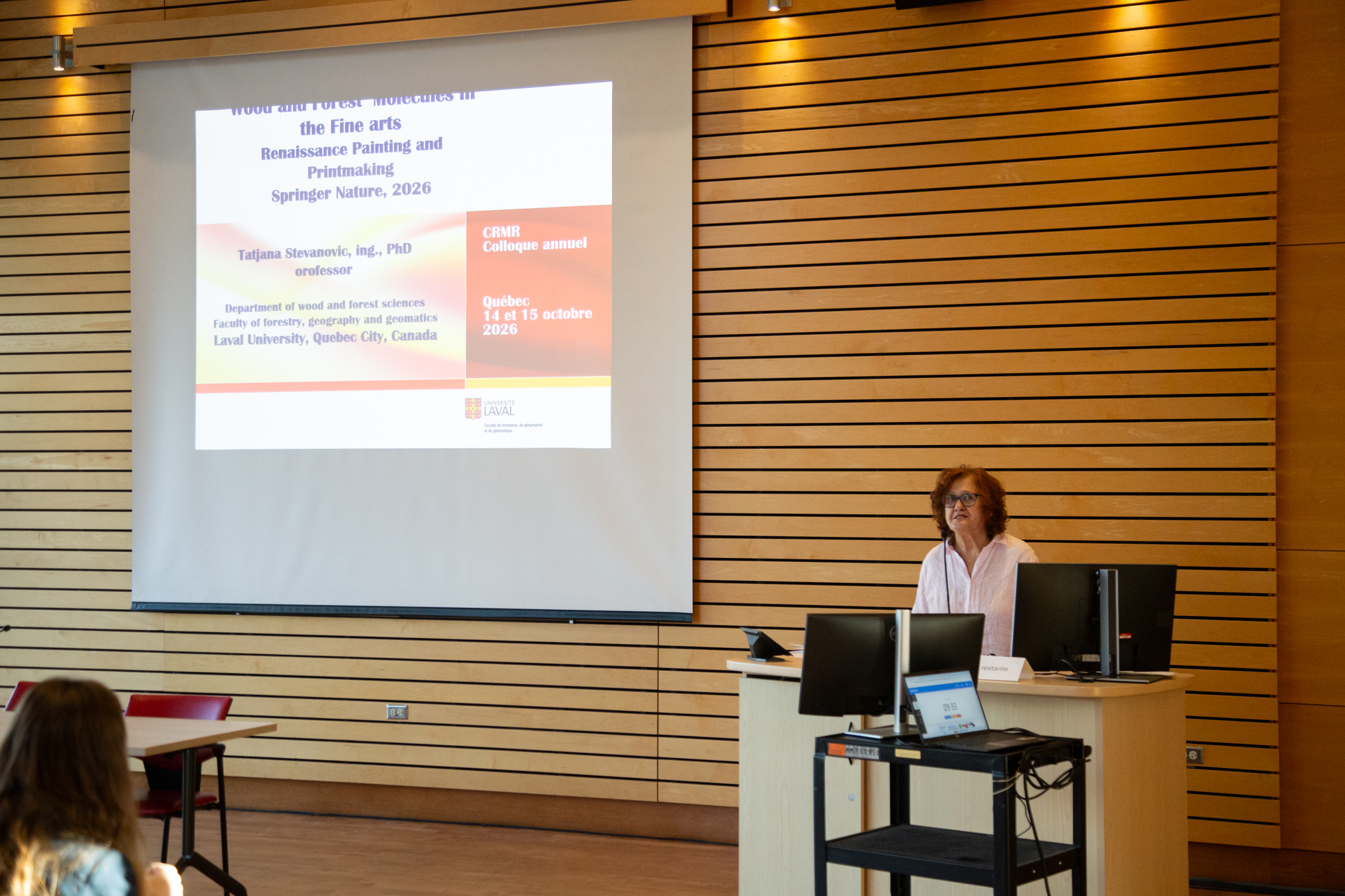
Tatjana Stevanovic ’s Presentation, Professor in the Department of Wood and Forest Sciences, Université Laval
Moderated by Professor Alain Cloutier, the morning continued with a presentation by Samuel Roy-Proulx, a postdoctoral researcher at UL under the supervision of Professor Evelyne Thiffault. Entitled « Ecological Impacts of Power Line Rights-of-Way: Plant Diversity, Carbon Storage, and Forest Soil Dynamics », his presentation explored the effects of high-voltage transmission corridors on Québec’s forest ecosystems.
Holding a Ph.D. in Environmental Sciences from UQAM, Samuel Roy-Proulx focuses on the interactions between energy infrastructure, biodiversity, forest soils, and carbon storage. Through the results of his research, he highlighted the ecological transformations observed within power line rights-of-way, particularly with respect to vegetation composition, soil dynamics, and carbon sequestration processes.
His presentation also underscored the importance of gaining a better understanding of the impacts of these infrastructures on forest environments in order to promote management practices that balance the needs of the energy transition with the preservation of ecosystem functions. This work demonstrated the potential of power line corridors as valuable study systems for improving our understanding of the complex interactions among land-use planning, biodiversity, and climate change.
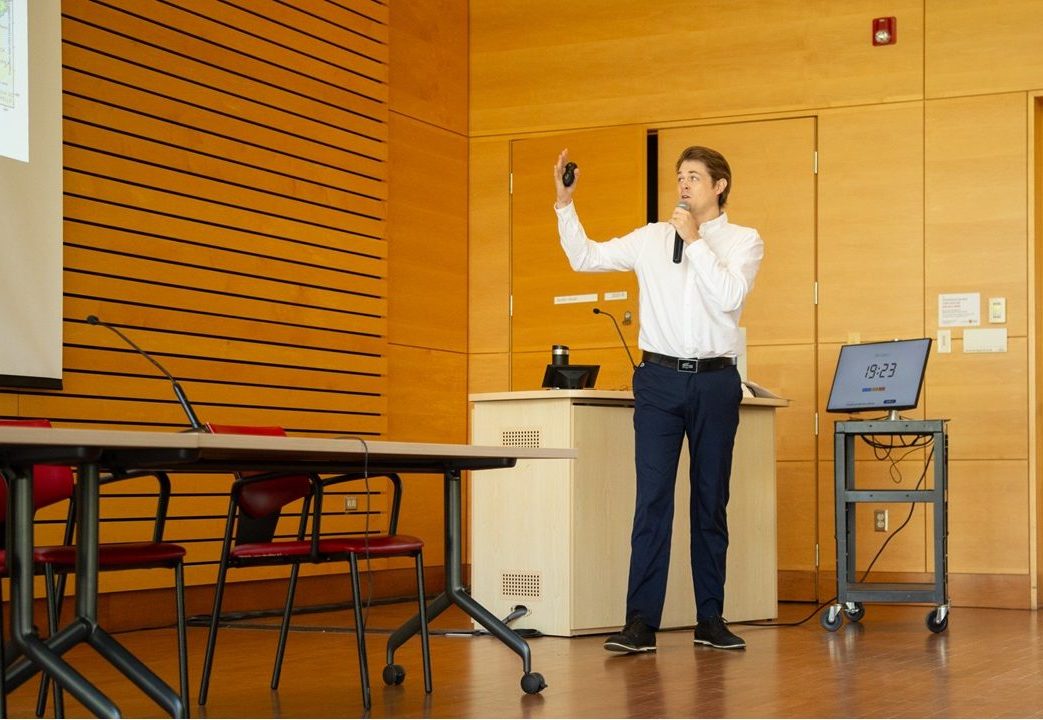
Samuel Roy-Proulx ’s Presentation
The symposium concluded with a compelling presentation by Mr Alain Webster, Full Professor at the Université de Sherbrooke and Chair of the Québec Government’s Climate Change Advisory Committee. In his talk, entitled « Scientific Advice in a Time of Climate Crisis » , he highlighted the critical role of scientific knowledge in shaping public policies capable of addressing current and future climate challenges. He emphasized the importance of evidence-based decision-making and the need to strengthen connections between the research community and policy-makers.
Trained in both ecology and economics, Professor Webster has dedicated nearly three decades of his teaching, research, and public engagement activities to examining the relationships between the economy, the environment, and sustainable development. His work focuses on environmental management, responsible finance, and the integration of sustainable development objectives into decision-making processes. Through this closing presentation, he reminded participants that the transition toward more sustainable and resilient societies depends on close collaboration among the scientific community, decision-makers, and society as a whole. His presentation offered valuable insights into the role of scientific advice in the context of climate urgency and underscored its essential contribution to supporting public action in a rigorous, transparent, and effective manner.
Special thanks to Professor Alain Cloutier for moderating this closing presentation, which provided an inspiring conclusion to two days of stimulating discussions, knowledge sharing, and reflection.
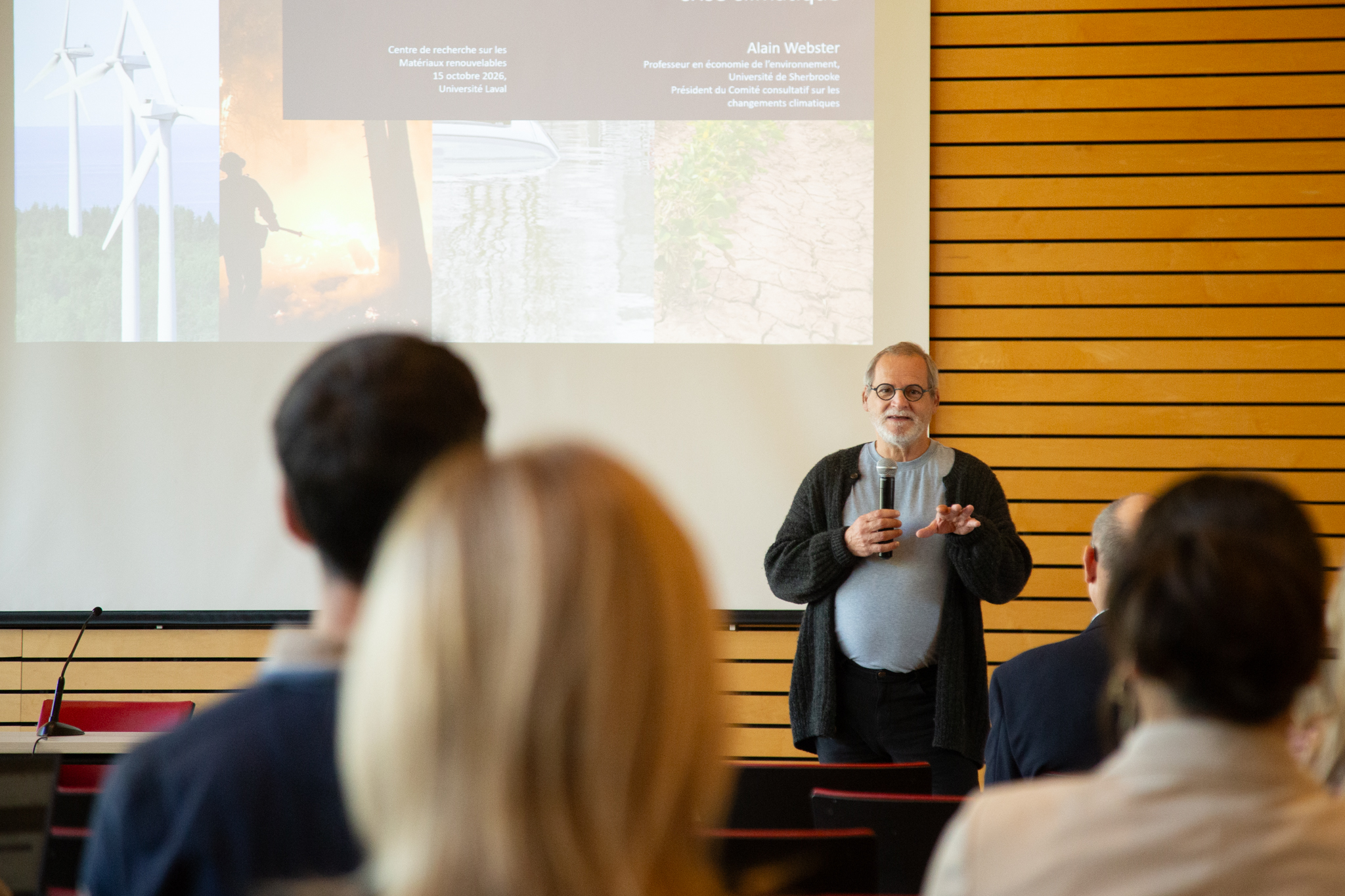
Beyond Publications: Rethinking Scientific Performance
Moderated by Pierre Blanchet, Professor at Université Laval and Canada Research Chair in Sustainable Buildings, the panel brought together Alexis Achim, Professor at Université Laval and Canada Research Chair in Silviculture Adapted to Climate Change; Marie-José Naud, Equity, Diversity and Inclusion Advisor; Pascale Ropars, Knowledge Mobilization and Research Impact Specialist; and Philippe Boisvert, Librarian and Bibliometrics Specialist. Drawing on their complementary expertise and professional backgrounds, the panelists offered insightful perspectives on the many dimensions of scientific performance.
The discussion addressed a range of topics, including the societal impact of research, knowledge mobilization and transfer, interdisciplinarity, equity in evaluation processes, and the strengths and limitations of bibliometric indicators. One key message emerged from the conversation: scientific performance cannot be reduced to quantitative measures or publication counts alone. It must also recognize the diverse contributions that advance knowledge, support the training of future researchers, promote the visibility of science, and generate meaningful impacts on society.
The panel fostered a collective reflection on the need to evolve research assessment practices toward approaches that are more inclusive, nuanced, and representative of the full spectrum of scientific contributions. It also highlighted the importance of placing greater value on the social, environmental, and economic impacts of research, as well as on science communication and knowledge mobilization activities.
Special thanks to Professor Véronic Landry for developing the questions that guided the discussion, and to Pascale Ropars, Alexis Achim, Pierre Blanchet, and members of the student community for enriching the conversation through their comments, ideas, and suggestions. Thanks to this collaborative approach, the discussion explored research evaluation from multiple perspectives and fostered dynamic, nuanced, and highly engaging exchanges between the panelists and the audience.
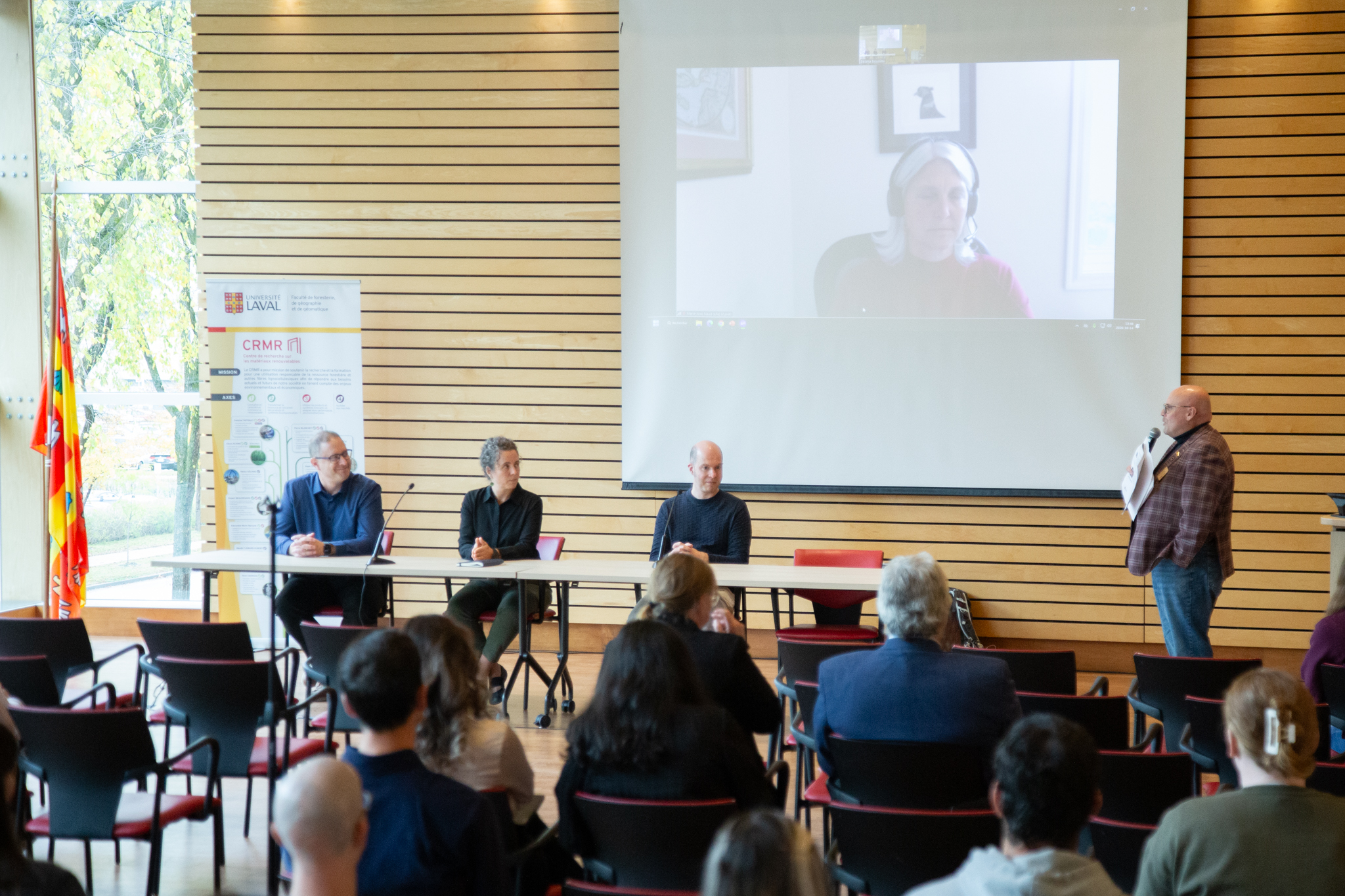
From left to right: Alexis Achim, Pascale Ropars, Philippe Boisvert, Marie-José Naud, and Pierre Blanchet
This discussion continued on the second day of the symposium with a presentation by Professor Pierre Blanchet on PCI Wood and Forest Science (Peer Community In), an innovative initiative that seeks to rethink scientific publishing practices in the era of open science. Based on an open, rigorous, and transparent peer-review process, this model offers an alternative pathway for evaluating, validating, and disseminating research results.
Participants were introduced to a forward-looking approach that challenges traditional publishing models and paves the way for a more collaborative, transparent, and accessible scientific enterprise. The presentation echoed the previous day’s discussions on the importance of diversifying the ways in which scientific contributions are recognized, valued, and shared.
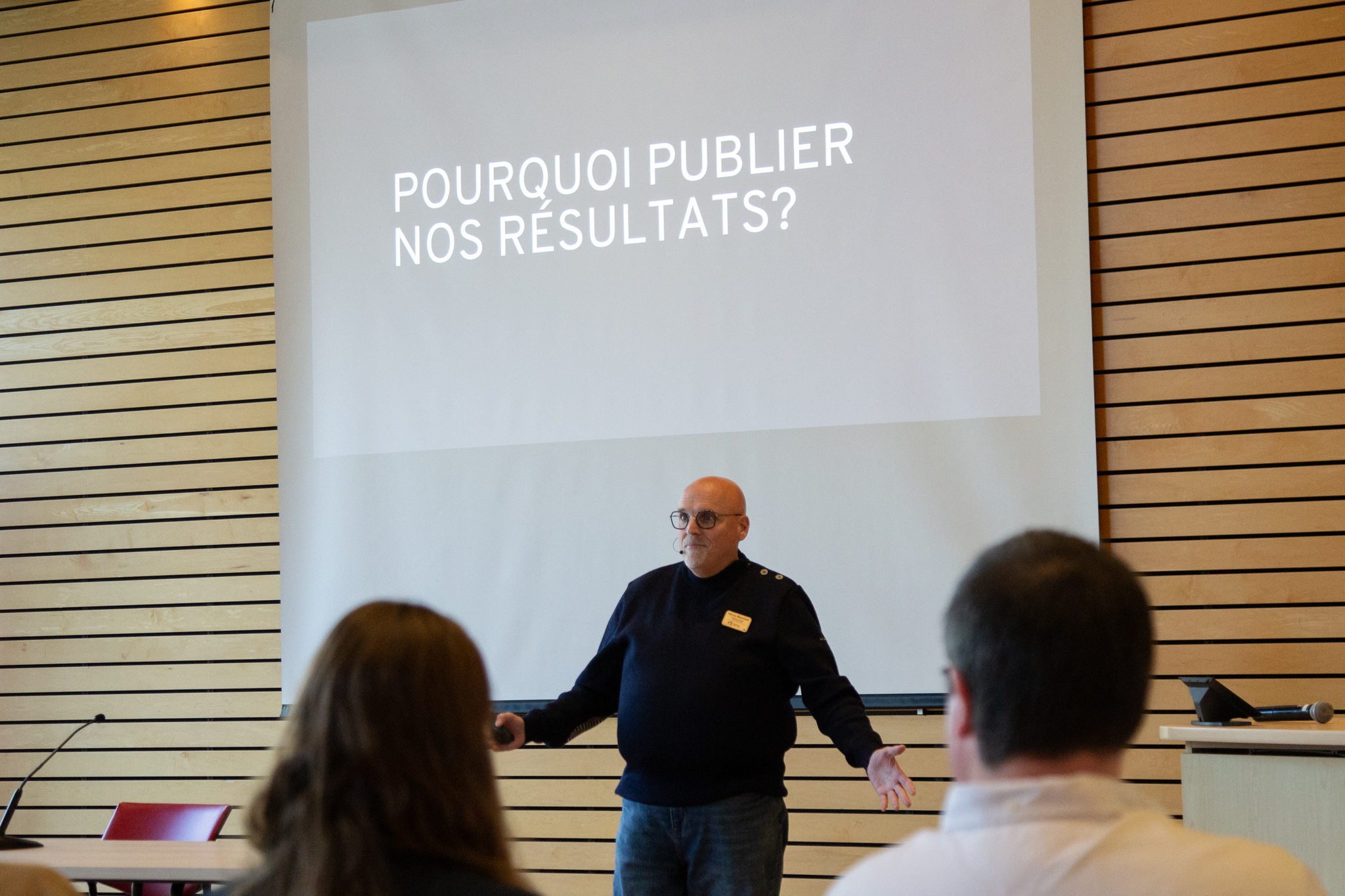
Pierre Blanchet ’s Presentation
Professor at Université Laval and Canada Research Chair in Sustainable Buildings
A Dynamic and Engaged New Generation of Researchers
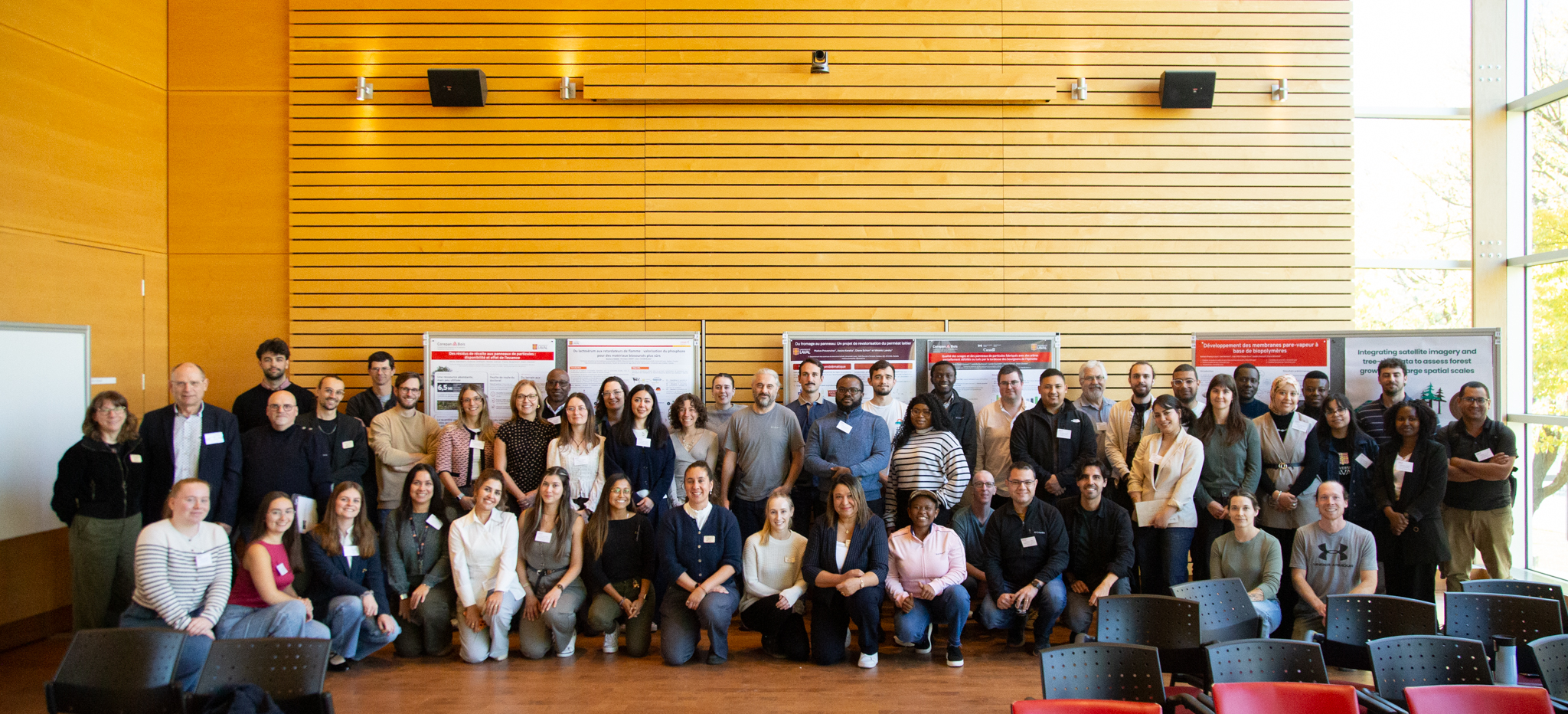
The next generation of researchers played a prominent role throughout the symposium through lightning presentations and the student poster competition. In total, 21 students presented their research and engaged with members of the scientific community, showcasing the dynamism, creativity, and excellence of the CRMR’s emerging researchers.
These presentations highlighted the diversity of research projects conducted within the Centre while providing participants with a valuable opportunity to share their findings, expand their professional networks, and contribute to the scientific discussions that enriched the two-day event.
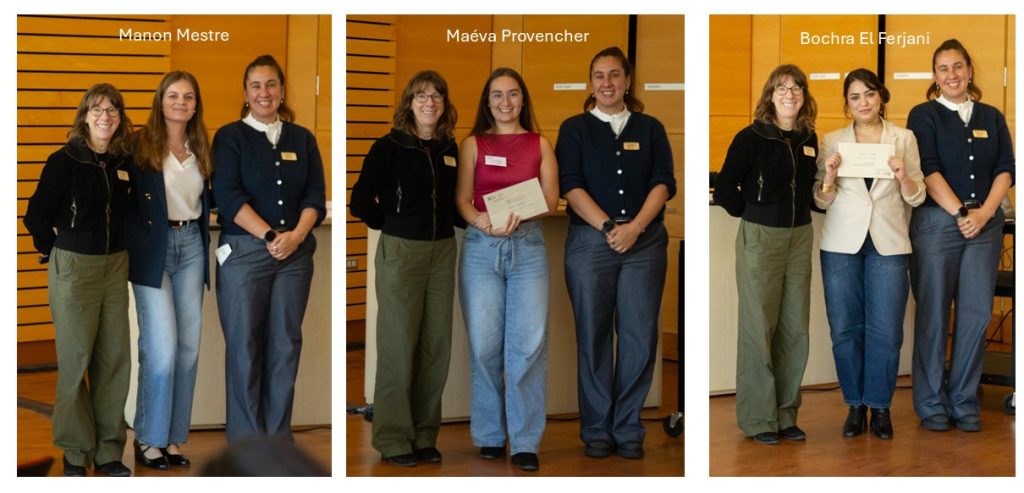
The awards ceremony, held following jury evaluations and audience voting, was one of the highlights of this year’s symposium. Congratulations to the award recipients:
- Alexandre Carrier – Best Scientific Poster Award
- Isabel Cristina Gómez García – Second Place Scientific Poster Award
- Bochra El Ferjani – Third Place Scientific Poster Award and People’s Choice Poster Award
- Manon Mestre – People’s Choice Poster Award and People’s Choice Lightning Presentation Award
- Maéva Provencher – People’s Choice Lightning Presentation Award
We would also like to recognize the outstanding commitment of the students who participated in the poster session and lightning presentations. Through the quality of their work, the relevance of their research, and their ability to communicate their results with clarity and enthusiasm, they made an important contribution to the success of this activity. The many exchanges throughout the session reflected the audience’s strong interest and the richness of the research being conducted within the CRMR. These moments of sharing facilitated knowledge dissemination, created valuable networking opportunities, and stimulated constructive discussions among members of the scientific community.
Our sincere thanks also go to the judges for their availability, rigor, and invaluable contribution to recognizing scientific excellence. Their expertise and dedication ensured an evaluation process that was fair, constructive, and rewarding for participants while highlighting the exceptional quality of the work presented.
Finally, special thanks to Maxime Parot and Bruna Roque Ugulino De Oliveira for their essential contributions to the organization, coordination, and facilitation of this session. Their dedication helped create a dynamic, stimulating, and supportive environment that fostered knowledge sharing, interdisciplinary exchanges, and the recognition of emerging talent within the CRMR.

Closing Remarks and Acknowledgements
Through the quality of its presentations, the richness of the discussions, and the diversity of expertise brought together, the 2026 CRMR Annual Symposium once again demonstrated the importance of dialogue among academia, industry, and public organizations in addressing the major challenges related to renewable materials and sustainable development.
The symposium concluded with closing remarks from Nancy Gélinas, followed by the presentation of student awards. In her address, she highlighted the exceptional commitment of the speakers, panelists, moderators, students, and all participants, whose contributions sparked meaningful reflection and fostered constructive discussions throughout the two-day event.
She also paid tribute to the outstanding work of the organizing committee, whose dedication, professionalism, and collaborative spirit were instrumental to the success of this year’s symposium. Comprised of Véronic Landry, Besma Bouslimi, Évelyne Thiffault, Maxime Parot, Bruna Ugulino, Manon Mestre, Farzaneh Masoodian, Lucie Dehon, Louis-David Giasson, Isabel Cristina Gomez Garcia, David Lerisson, and Mario Israel Sanchez Mercado, the committee played a key role in the planning, coordination, and successful execution of the event.
The 2026 edition was marked by inspiring encounters, meaningful discussions, and exemplary engagement from the scientific community and its collaborators. It reaffirmed the central role of research, innovation, and collaboration in developing sustainable solutions for the future of our society and the responsible stewardship of renewable resources.
Beyond the knowledge shared, the symposium strengthened connections among researchers, industry representatives, and public-sector stakeholders while fostering new perspectives and promising opportunities for future collaboration.
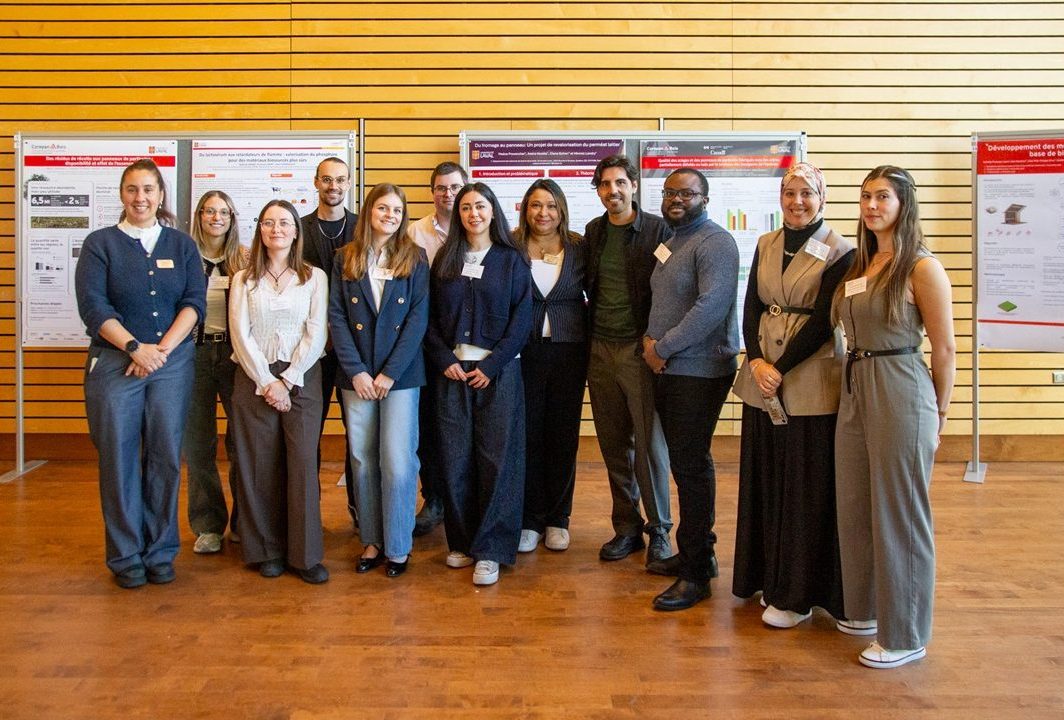
Symposium Organizing Committee
In her closing remarks, Véronic Landry, Director of the CRMR, expressed her sincere gratitude to everyone who contributed to the success of the event. She highlighted the remarkable commitment of the organizing committee, speakers, panelists, volunteers, and participants who helped make the symposium a valuable forum for exchange, collaboration, and reflection. She extended special thanks to Mario Israel Sanchez Mercado, the symposium’s official photographer, whose talent, artistic perspective, and professionalism captured the highlights of the two-day event. She also recognized the exceptional work of Besma Bouslimi, who coordinated the symposium with rigor, professionalism, and dedication, making a significant contribution to its success.
The organizing committee also wishes to express its sincere appreciation to Cindy Perrot, Lucie Dehon, Farzaneh Jafar, Louis-David Gagnon, and Isabel Cristina Gómez García for their invaluable assistance in welcoming participants and coordinating coffee breaks and meals. Their hospitality, professionalism, and dedication greatly enhanced the experience of all attendees. Special thanks are also extended to the logistics and technical support team, notably Joseph-Antoine Côté, Manon Mestre, and Kaven Després, whose efficiency and availability ensured the smooth running of all activities throughout the symposium.
Thanks to this collective effort, driven by the commitment, generosity, and collaboration of so many individuals, the CRMR continues to distinguish itself as a dynamic, inclusive, and inspiring research environment that actively contributes to advancing knowledge and developing sustainable solutions to society’s most pressing challenges.
We look forward to welcoming you to the next edition of the CRMR Annual Symposium for new discussions, discoveries, and collaborative opportunities.
Crédit photos : Mario Israel Sanchez Mercado